
Single Seat 36V 200W e City Bike Custom Color Electric Road Bike
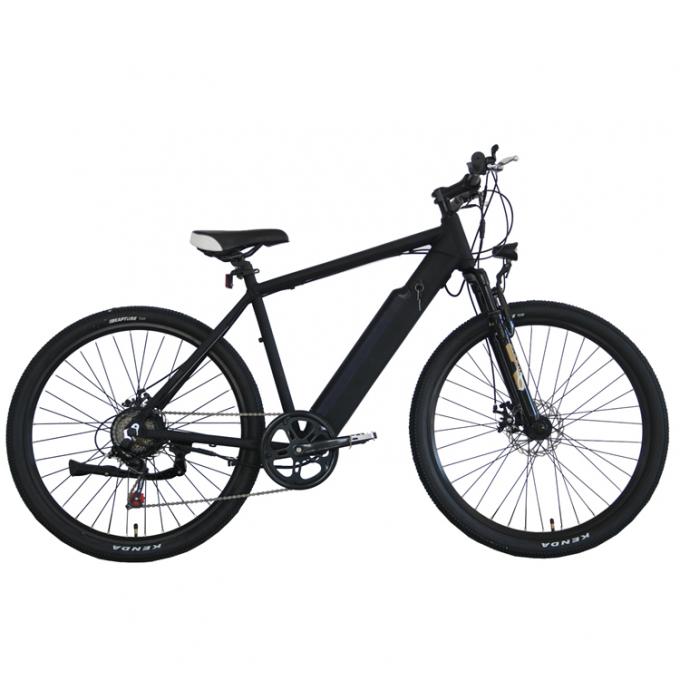
This PEB EB-04 is a single-seat 36V 200W electric road bike aimed at one rider who spends most of the week on paved lanes and only occasionally meets broken tarmac, packed gravel or wet kerb transitions. The custom colour option and a five-piece minimum order make it a fleet or shop-floor proposition rather than a one-off purchase. The trade-off is deliberate: a modest 200W system keeps control simple and range predictable, but it rewards tyre choice far more than it rewards throttle input.
At a glance
- Surface mix decides the tyre, and the tyre decides how this 200W single-seat road bike actually feels from the first kilometre to the last.
- The listing measures 1550*235*755mm, proportions that read like packed or partly assembled dimensions rather than handlebar width, so confirm the meaning first.
- No tyre size, tread pattern, rim width or frame clearance appears in the specification table, which makes tyre verification the opening task of any quotation.
- Custom colour plus a five-piece minimum means you should approve both a sample paint finish and a sample tyre fit before releasing a full order.
Trade terms
- Minimum Order
- 5 Pieces
- Price
- $750.00/Pieces >=5 Pieces
- Supply Ability
- 3000 Piece/Pieces per Month
Full specifications
| Place of Origin | China |
| Brand Name | PEB |
| Model Number | EB-04 |
| Applicable People | Unisex |
| Place of Origin | Tianjin,China |
| Certification | EEC |
| Length*width*height | 1550*235*755mm |
| Gross weight | 28kgs |
| MOQ | 5pcs |
| Delivery date | 20 |
| custom made | accept |
| Sample package description | paper box |
In 30 seconds
Start from the road, not the motor. Map your riders' weekly surface mix, then choose a tread and casing that survive that mix without dragging on the smooth sections. Only after the tyre is settled should you test whether 36V and 200W suit the route length, the rider weight and the gradients involved. Read the dimension line carefully: 1550mm length is credible for a city-oriented frame, but 235mm width and 755mm height are not handlebar and saddle figures, so ask the supplier what they describe. Treat the gross weight of 28kgs as a shipping figure that includes packaging, and confirm the delivery field, which reads 20 with no stated unit.
How to choose the right configuration
- Map the real surface mix — Before comparing anything else, ask each rider to describe the week rather than the ideal ride: how much smooth asphalt, how much chip seal, how much packed gravel shoulder, how many wet mornings. The answers set the priority order for tread, casing thickness and pressure. A bike that spends 90 percent of its life on clean asphalt wants a different tyre from one that meets gravel daily. Write the mix down as percentages, because that single page will settle most later arguments about specification far faster than any brochure comparison.
- Choose tread before motor — A 36V 200W system is modest, so rolling resistance matters more than torque. A slick or near-slick tread rolls easily and keeps the assisted range predictable on tarmac, while a shallow file tread adds grip on damp surfaces at a small cost in drag. Deep knobbly tread is usually the wrong answer here: it hums on asphalt, wears quickly on abrasive roads and does not compensate for a low-power drive. Ask the supplier which tread families they can fit, then match the choice to the surface mix you wrote down.
- Verify clearance and guards — Tyre choice is worthless if the frame cannot accept it. The specification table gives no tyre size, no rim width and no stated clearance, so request those three figures in writing along with the largest tyre the frame and fork will accept with mudguards fitted. Check brake caliper and rim brake reach as well, because a wider tyre can foul the arms. If the bike is meant to run guards for commuting, the clearance question has to be settled before the tyre, not afterwards.
- Test 200W against the route — Power, rider weight and gradient set how much work the motor can remove. A 200W system suits relaxed urban speeds and short to moderate commutes, especially when the rider pedals, but it will not carry a heavy rider up long climbs without effort. The specification table lists the motor as 36V 200W only through the page title, so ask the supplier to confirm nominal versus peak output and the assist cut-off behaviour in writing. Match that confirmed figure to the steepest point of the actual route.
- Reconcile dimensions and documents — The title promises a city bike and a road bike in the same line, and the dimension line reads 1550*235*755mm, which does not match normal handlebar and saddle measurements. Ask what each figure describes and whether it refers to the packed carton rather than the assembled bike. In the same request, ask what the delivery field value of 20 means, since it carries no unit. Handling these two questions before the quotation keeps later inspection clauses grounded in agreed facts rather than assumptions.
Setup & daily use
- Set tyre pressure by rider weight and surface, then record the figure on the bike so replacements are inflated consistently across the fleet.
- Order a spare tyre and tube with the first batch, because an unusual fitted size can strand a rider for weeks while a replacement is sourced.
- Inspect brake pads more often on wet or gritty routes, since abrasive surface debris wears pads faster than dry asphalt does.
- Request a paint sample chip with the custom colour approval, because screen renderings of a colour shift noticeably between devices and suppliers.
- Use the five-piece minimum as a small trial batch on your actual routes before committing to a larger volume commitment.
Mistakes to avoid
- Reading 235mm as handlebar width, which cannot be correct for a rideable bike, then building a transport plan around a dimension that likely describes the packed carton.
- Assuming a 200W rating delivers hill-climbing assistance, when a modest system mainly reduces effort on flats and gentle gradients rather than replacing rider input.
- Treating one certification entry as universal market access, when the listing records EEC and documents still have to be checked against each destination country.
- Leaving tyre specification to the supplier without written confirmation, then discovering at inspection that the fitted tread suits asphalt but not the gravel on the actual route.
Buying checklist
- Confirm the fitted tyre size, tread type, rim width and maximum frame clearance with guards in writing.
- Ask the supplier to explain what each of the three 1550*235*755mm figures measures, assembled or packed.
- Clarify whether the delivery field reading of 20 refers to days, and get a stated unit in the quotation.
- Confirm nominal and peak output for the 36V 200W drive, plus assist cut-off behaviour and battery capacity.
- Request the paper box packaging detail and confirm it protects painted frames during the stated sample transit.
- Verify market documentation yourself, because Certification depends on the actual product model and target market.
Frequently asked questions
What tyre should I fit on a 36V 200W city and road bike?
There is no single answer, because the specification table does not state a fitted tyre size. For a rider who stays on asphalt, a slick or shallow file tread with a puncture-resistant casing is the usual starting point, since it rolls easily and keeps range predictable on a low-power drive. For mixed routes with gravel shoulders, a slightly wider tyre run at lower pressure adds comfort and grip. Ask the supplier for the available sizes, the maximum clearance and the rim width, then decide using your recorded surface mix.
Does the 235mm width mean the handlebars?
It is very unlikely. Adult handlebars are far wider than 235mm, so that figure probably describes a packed carton or a partly folded state, and the 755mm height similarly sits below normal assembled bike height. The 1550mm length is credible for the category. Rather than guessing, ask the supplier to label each figure as assembled or packed and to provide the assembled length, width, height and wheelbase separately. Those numbers matter for storage, lifts and doorway access as much as for freight.
Is this bike EEC certified?
The specification table records EEC in the certification field, and that is the only certification claim visible in the listing. Certification depends on the actual product model and target market. Electric bike rules differ by country, and a document accepted in one market may not satisfy another. Ask for the specific document reference, the model it covers and its validity period, then have your own compliance contact check it against the destination market before you commit to the five-piece minimum order.
How does a 200W motor behave on gravel and wet asphalt?
Power output does not change grip, the tyre does. On wet asphalt, a slick with a soft compound and correct pressure usually stops and corners better than a knobbly tyre, because more rubber contacts the road. On loose gravel, a shallow tread with a wider casing helps, but a 200W system cannot power through deep loose material, so the rider still supplies most of the effort. Choose the tyre for the surface you meet most often, and accept that no tyre excels everywhere.
Can I combine a custom colour with a different tyre in one order?
The listing accepts custom made orders and states a five-piece minimum, so both questions belong in the same quotation request. Ask whether a tyre change affects the unit price at $750.00 per piece at five pieces or above, and whether it changes the delivery timing. Approve colour and tyre together on one sample, photographed under daylight, because approving them separately often produces mismatched expectations. Also confirm the supply ability stated at 3000 pieces per month against your required schedule.
What does the delivery field value of 20 mean?
The field reads 20 with no unit attached, so it is unsafe to assume days, weeks or working days. Ask the supplier to restate the lead time in explicit calendar days, counted from deposit and from artwork or colour approval, and to say whether it applies to the sample or to the full five-piece order. Because custom colour usually adds a preparation stage, split the timeline into colour approval, production and dispatch. A stated unit removes an ambiguity that otherwise surfaces as a dispute at shipping.