Two Wheel Foldable Portable Electric Bike 40 Mile Range 48V 500W
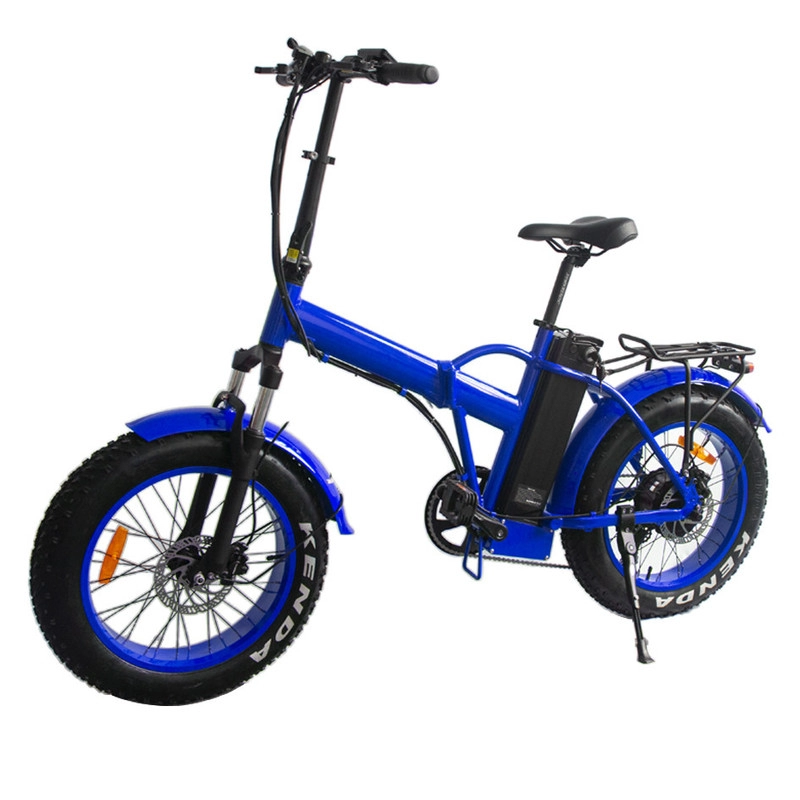
This is a 20-inch folding electric bike built on an aluminum alloy 6061 frame with a 48V 10.4Ah lithium battery and a 500W rear hub motor, listed as the PEB EB-10. It suits one rider who needs a compact machine that folds for storage, a car boot or a train leg, not a small cargo platform. The trade-off is structural transparency: the listing publishes a net weight of 25kg but no rated payload, so the number that decides whether this bike fits you is the one the specification table omits.
At a glance
- The 6061 aluminum frame and 25kg net weight suggest a rider-only design, but no rated payload appears anywhere in the specification table.
- The title claims 40 mile range while the table states 31 - 60 km, so treat the table as the engineering figure and the title as marketing.
- The front fork is listed as steel or suspension, meaning two structurally different builds share one model number and one quoted price.
- Tektro disc brakes are named but the table never says whether both wheels are equipped, so confirm front and rear before you commit.
Trade terms
- Minimum Order
- 5 Pieces
- Price
- $650.00/Pieces 5-19 Pieces
- Supply Ability
- 3000 Piece/Pieces per Month
Full specifications
| item | value |
| Combo Set Offered | 0 |
| Wattage | 500w |
| Voltage | 48V |
| Power Supply | Lithium Battery |
| Wheel Size | 20" |
| Motor | Brushless |
| Certification | ce |
| Frame Material | Aluminum Alloy |
| Foldable | yes |
| Range per Power | 31 - 60 km |
| Place of Origin | China |
| Tianjin | |
| Brand Name | PEB |
| Model Number | EB-10 |
| Style | Standard |
| Rated Passenger Capacity | One Seat |
| motor | 500w rear motor |
| battery | 48V 10.4Ah Lithium Battery |
| foldable | yes |
| Charging time | 6-8h |
| brake | Tektro Disc Brake |
| wheel size | 20*4.0 kenda |
| Frame material | Aluminum Alloy 6061 |
| net weight | 25kg |
| display | LCD |
| Front fork | steel or suspension |
Verdict
The EB-10 reads as a coherent single-rider folding bike and a poor choice for anyone intending to carry loads. The 6061 alloy frame, 20-inch wheels and 25kg build are consistent with that role, and nothing in the table contradicts it. What the table never does is state a rated payload, and on a folder that omission outranks the motor rating, because a folding frame concentrates stress at the hinge knuckle and at the fork crown. Before you commit to five pieces, request the rated load in writing, the folding mechanism test data, and a definitive fork specification. Buyers who want a compact, foldable one-person bike will find the package internally logical; buyers planning cargo, a passenger or heavy off-road load will be fighting the design.
What we like
- The frame material is named as aluminum alloy 6061 rather than left as a generic alloy claim, which gives you a specific grade to check against the supplier's drawing.
- The 500W rear hub motor and 48V 10.4Ah battery are stated identically in the title and the table, so the electrical specification is one of the few areas with no internal conflict.
- The 20*4.0 Kenda tires spread load across a wide contact patch, which helps on loose ground and reduces point loading on the rims compared with narrow tires.
- Tektro is a named and serviceable brake brand, so pads and rotors can be sourced independently instead of being tied to a proprietary consumable supply.
- An LCD display and a 6-8h charging window are stated plainly, which gives you enough to plan charging logistics even before you confirm the supplied charger rating.
What to watch
- No rated payload is published anywhere in the table, and for a folding aluminum frame that is the single most consequential structural number a buyer needs before ordering.
- The title's 40 mile range equates to roughly 64 km, which sits above the table's 60 km ceiling, so the headline figure is not supported by the listing's own data.
- The front fork is described as steel or suspension, which means weight, geometry and ride behaviour differ between units sold under the same model number and price.
- At 25kg net weight with no folded dimensions given, the portability claim deserves scrutiny: this is a two-hand lift, and the folded footprint is unknown until you ask.
How it performs
- motor
- The 500W brushless rear hub motor is stated consistently in both the title and the table, which is reassuring as far as it goes. What the listing does not give you is peak versus continuous output, wheel torque, or whether the controller uses cadence or torque sensing. Those three unknowns decide how the bike behaves when a heavier rider climbs or starts from rest, because a rear hub motor cannot use the drivetrain's gearing to multiply force. Ask the supplier for the continuous rating, the peak rating and the controller current limit, and treat the 500W label as a compliance class rather than a performance promise.
- battery
- The 48V 10.4Ah lithium pack works out to roughly 500Wh of nominal capacity, which is a modest energy budget for a bike weighing 25kg with wide 20*4.0 tires. Tire width and weight both consume energy, so realistic distance sits toward the lower half of the stated 31 - 60 km window unless the rider is light, the terrain is flat and assistance is used sparingly. Charging is quoted at 6-8h, but the charger's output current is not stated, so confirm the supplied adapter rating and whether the pack is removable for indoor charging.
- braking
- Tektro disc brakes are named, which is a genuine plus on a 25kg machine with fat tires, because rim brakes on a wide 20-inch wheel are a compromise at best. The table stops short of stating whether both wheels carry a disc or only the front, and it does not give rotor diameters. On a folder carrying a heavier rider, a front-only disc changes stopping distance materially, especially in wet conditions where the Kenda tread clears poorly at low pressure. Confirm the configuration in writing and check that the rear caliper mount is present on the frame you are actually quoted.
- comfort
- Ride quality here is driven mostly by the 20*4.0 Kenda tires, which can be run at low pressure to absorb surface noise that a small wheel would otherwise transmit straight through the frame. Whether that is enough depends entirely on the fork question: a rigid steel fork and a suspension fork produce noticeably different behaviour over cobbles, kerbs and broken tarmac. The listing gives no rider height or reach guidance, so fit is something you must confirm rather than infer. Reach, bar height and saddle-to-pedal distance all matter more on a compact frame than on a full-size one.
- folding
- The folding mechanism is the structural heart of this bike and the least documented part of it. A hinge introduces a stress concentration that a continuous frame tube does not have, so the frame's rated load and the hinge's test history are the two documents worth requesting before a five-piece order. The table confirms foldability and a 25kg net weight but gives no folded dimensions, which makes it impossible to judge whether the bike fits a specific boot, locker or stairwell without asking. Check the latch design, the presence of a secondary safety catch, and whether the hinge is serviceable rather than riveted.
Who should buy it
- Single riders making short urban trips who fold the bike at one or both ends of a journey and never carry a load.
- Buyers with limited storage, such as apartment residents or boat owners, who prioritise a smaller footprint over low weight.
- Fleet or reseller buyers who will write the rated payload and fork specification into the purchase contract before ordering.
- Riders on mixed surfaces who value the 20*4.0 Kenda contact patch more than outright speed or a low total weight.
Who should skip it
- Anyone intending to carry cargo, tools, shopping or a child, because no payload rating is published and the frame is a one-seat design.
- Buyers who need a documented structural limit before they can approve a purchase, since the number simply is not in the listing.
- Riders who expect to carry a folded bike up stairs regularly, because 25kg with an unknown folded footprint is not a one-hand lift.
Specifications
Full specification table and product data are shown above.
Frequently asked questions
What is the rated payload of the PEB EB-10?
The specification table does not state one, and no honest figure can be derived from frame material and net weight alone. A 6061 aluminum frame can be built to very different load ratings depending on tube gauges and hinge design, so the 25kg net weight tells you about the bike, not about what it can carry. Request the rated payload in writing, along with the test standard it was assessed against, and ask whether the figure applies to the frame, the hinge, the fork or the complete bike. Treat any verbal answer as provisional until it appears on the quotation.
Why does the title say 40 mile range when the table says 31 - 60 km?
The two statements are not equivalent. Forty miles is roughly 64 km, which sits above the 60 km upper bound in the specification table, so the title overstates the listing's own data. In cases like this, trust the table, because range fields are usually transcribed from a test report while titles are written for search visibility. Even the 60 km ceiling should be read as a best case under light rider weight, flat terrain and low assistance. Treat the lower end of the window as your planning figure and verify the test conditions behind the number.
Is the aluminum alloy 6061 frame strong enough for a heavier rider?
Frame grade and frame strength are different questions. 6061 is a common, weldable aluminum alloy used across the category, but its performance depends on tube wall thickness, heat treatment and joint design, none of which the listing discloses. On a folding frame the hinge is the governing element rather than the tubes. Ask for the tube dimensions, the heat treatment condition and the hinge test data, and ask whether the rated payload accounts for rider weight alone or rider plus luggage. Without those answers, a heavier rider should not assume the bike is suitable.
Is the front fork steel or suspension?
The listing says steel or suspension, which describes two different products rather than one. A rigid steel fork is lighter and simpler with fewer service points; a suspension fork adds cost, weight and a maintenance interval but changes behaviour on rough surfaces. Because the fork affects steering geometry, brake mounting and total weight, you should not accept the ambiguity on a five-piece order. Ask the supplier to confirm which fork the quoted price includes, request a photograph of the actual unit, and state the required fork in the purchase contract so the delivered goods match the specification.
Does the bike have disc brakes on both wheels?
The table names Tektro disc brakes without specifying how many wheels are equipped or what rotor size is used. On a 25kg bike with wide 20*4.0 tires, front-only braking increases stopping distance noticeably under load, particularly in wet conditions. Ask for the brake model designation, the rotor diameters front and rear, and confirmation that the rear caliper mount is machined into the frame you will actually receive rather than a different frame in the range. A clear photograph of both brake assemblies on a production unit is the simplest verification.
Is the CE certification on the listing sufficient for my market?
Certification depends on the actual product model and target market. A CE mark is not a single universal document, and the applicable directives, the testing body and the paperwork differ between an electric bike sold as a bicycle and one classified as a powered two-wheeler in your jurisdiction. Before ordering, ask which directives were applied, which laboratory issued the report, and whether the report covers the exact battery and motor configuration you are buying. Then confirm with your own compliance advisor that the documentation matches your destination market's requirements.