
Portable Electric Bicycle Battery 12V 24V 36V 10Ah 48V 1000W Lithium
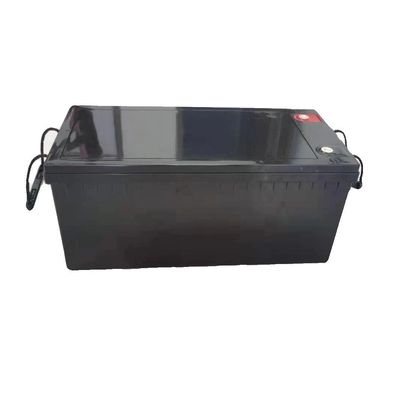
The PEB EL-01 is a plastic-cased lithium bicycle battery shipped from Tianjin under a page title that spans 12V, 24V, 36V and 48V at 10Ah and up to 1000W, while the specification table beneath it confirms only dimensions, a 4.4KG gross weight and a bare EEC entry. That gap is the procurement problem in one line: you are not buying a datasheet, you are deciding what to write into a purchase order. It suits buyers who can specify the electrical configuration themselves and inspect against that specification, and it frustrates buyers who expect the listing to be the specification.
At a glance
- Treat the title's 12V to 48V span and 1000W claim as a family range, not a confirmed configuration, because the specification table names neither.
- Pricing is one flat tier at $355.00 per piece from a single unit, so any volume ladder has to be negotiated and written into the quote.
- Pin voltage, capacity, continuous and peak power, connector, charger pairing, BMS limits and enclosure interface in writing before deposit, since custom manufacture is accepted here.
- Inspect on arrival against that pinned list; a paper-box sample description and a 4.4KG gross weight describe packaging, not cells or assembly quality.
Trade terms
- Minimum Order
- 1pcs
- Price
- $355.00/Pieces >=1 Pieces
- Supply Ability
- 3000 Piece/Pieces per Month
Full specifications
| Place of Origin | China |
| Brand Name | PEB |
| Model Number | EL-01 |
| Applicable People | Unisex |
| Place of Origin | Tianjin,China |
| Sample package description | paper box |
| Certification | EEC |
| Name | battery |
| Material | plastic |
| Style | Standard |
| MOQ | 1pcs |
| custom made | accept |
| Length*width*height | 67*156*446mm |
| Gross weight | 4.4KG |
| Delivery date | 5 |
What it is
A keyword-stuffed title and a short specification table rarely agree, and this listing is a clean example of the mismatch. The title advertises a portable electric bicycle battery across 12V, 24V, 36V and 48V, at 10Ah and up to 1000W; the table beneath it lists origin, brand, model EL-01, plastic material, dimensions of 67*156*446mm, a gross weight of 4.4KG, a single EEC entry and a minimum order of 1pcs. No voltage, no capacity, no wattage. Read the title as a family description and the table as the only confirmed facts, then make the quotation carry everything else.
Commercial terms here are unusually flat, and that shapes how you negotiate rather than whether you can. Minimum order is 1pcs at $355.00 per piece, with no published breakpoints above it, so the tier ladder is whatever the two sides agree and record. A supply ability of 3000 pieces per month describes capacity, not a reserved slot for your order, and the delivery field reads 5 with no unit attached to it. Custom manufacture is accepted, which is useful and risky in equal measure: the configuration can be built to your specification, and nothing is fixed until the sheet you both sign says it is.
Procurement on a pack like this is mostly a documentary exercise carried out before money moves. Ahead of deposit you want one page that fixes the electrical configuration, the enclosure and mounting interface, the connector and charger pairing, the label content, the packaging and the acceptance criteria with a stated remedy when a batch fails them. Inspection then becomes a comparison against that page instead of a judgement call made in a warehouse. EEC appears in the table as a bare entry without scope, which is not enough to plan a market launch on; certification depends on the actual product model and target market.
Key questions, answered
What does the $355.00 per-piece price actually cover, and where are the order tiers?
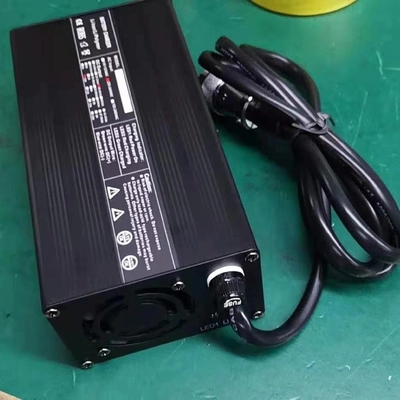
The published price is a single flat tier: $355.00 per piece at one piece and above, with no breakpoints listed beyond that. It tells you the supplier has not published a volume ladder, not that volume pricing is unavailable. Ask for quoted pricing at several quantities you genuinely plan to buy, and ask the same question about the sample unit. Confirm in writing whether the per-piece figure includes the charger, output cabling, mounting hardware, inner packing and document set, and which Incoterm applies. A number without those attachments is not comparable across suppliers, and the lowest headline figure often becomes the more expensive one once accessories are added line by line.
The title lists 12V, 24V, 36V, 48V, 10Ah and 1000W. Which configuration ships if I order model EL-01?
The specification table does not answer that, and you should not let a purchase order answer it by accident. The title is a keyword string bundling a family of packs; the table names model EL-01 but records no voltage, no capacity and no wattage. Request a model-specific datasheet for each configuration you intend to buy and treat each as a separate SKU with its own price and lead time. The voltage choice is not cosmetic. A 1000W load draws far more current at 12V than at 48V, which changes connector rating, cable gauge and BMS design, so the configuration must be fixed before anything else is quoted.
What has to appear in the written quote before I release a deposit?
Ask for a quotation carrying the SKU-level electrical specification, the BMS cut-off and current limits, connector type and pinout, charger pairing, enclosure and mounting interface, dimensional tolerances around 67*156*446mm, net weight as distinct from the 4.4KG gross figure, packaging description, label and artwork content, Incoterm, lead time stated in days with a clear start trigger, warranty duration and the remedy if a unit fails, and the scope of any certificate offered. Custom manufacture is accepted on this listing, which makes that document the product definition rather than a formality. Any missing item will be filled later by assumption.
Frequently asked questions
How should I inspect a battery shipment before paying the balance?
Inspection only works when there is a written criterion to inspect against. Agree a sampling plan, then check cartons against the stated gross weight of 4.4KG and the packaging description, check unit dimensions against 67*156*446mm, and verify connector fit and charger pairing on the units you open. Compare label content with approved artwork, and run a functional charge and discharge check if you hold the rig for it. Where in-house testing is not possible, define the scope of a third-party pre-shipment inspection before booking it, agree the photo and video protocol, and hold back the balance until the report matches the agreed specification.
What does the EEC entry in the specification table let me assume?
Very little on its own. The table records EEC as a single word with no standard reference, no scope and no issuing body, so it cannot tell you which configuration of this pack was assessed or which market the assessment was intended for. Ask for the certificate itself, read its scope, and verify it with the issuer rather than relying on a line in a listing. Certification depends on the actual product model and target market. Your destination market may also impose transport documentation requirements for lithium cells that are independent of any product mark, and that should be settled at quotation stage rather than at the port.
How should I read the 4.4KG gross weight and the 446mm length when planning freight and handling?
Use both figures as planning inputs and confirm what they measure. The 4.4KG is described as gross weight, so treat it as a carton-level number and ask separately for the net weight of the pack, because the two drive different calculations in freight costing and in manual handling risk assessment. Confirm whether 67*156*446mm refers to the pack, the inner box or the outer carton; that difference changes pallet counts materially. The sample package is described only as a paper box, which is a description rather than a specification, so ask for inner cushioning and outer carton grade. Lithium cells are regulated for transport, so settle the document set early.
Can I customise the pack, and what changes in the procurement process when I do?
Custom manufacture is accepted, and that changes the sequence rather than the principle. A custom pack needs a signed drawing before tooling or artwork begins, a golden sample approved against that drawing, and first-article approval on the first production batch. Change control matters more than usual: agree in writing who owns artwork and tooling, what a later revision costs, and whether a change resets the lead time. Custom work usually moves the effective minimum order and the unit price, so ask both questions in the same message. The 4.4KG gross weight and the 446mm length may also shift if the enclosure or cell configuration changes, so re-confirm dimensions before re-planning freight.
How much weight should I give the delivery figure of 5 and the 3000 piece monthly supply ability?
The field reads 5 with no unit attached, so treat it as unconfirmed until the supplier states days or weeks and what the clock starts from: deposit, drawing approval or sample sign-off. A supply ability of 3000 pieces per month describes what the line can produce, not a reservation against your order, so ask how your quantity is scheduled against existing commitments. For a first order, request a dated schedule with a milestone for pre-shipment inspection, and agree the remedy if shipment slips past it. A vague delivery figure is survivable on a small trial order; it becomes expensive once the pack is committed to a vehicle build.