
Mini Electric Moped Scooter Bike e Bike 72V 60km EEC COC Citycoco
This is a seated, two-wheel city scooter built around a 1500W brushless hub motor and a single stated tyre size of 18 x 9.5 inch vacuum, and that tyre is what actually shapes the ride. It suits operators whose routes run on sealed roads, packed gravel and mixed urban ground, and who value low-speed stability over flickable handling. The trade-off is a wide, low-profile contact patch that softens rough surfaces but adds rolling drag and slows steering response compared with a narrow moped tyre.
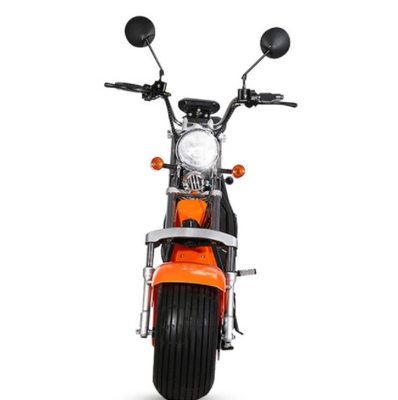
At a glance
- The tyre, not the wattage, defines this scooter: an 18 x 9.5 inch vacuum fitment decides grip, ride height and how the machine behaves when the surface changes.
- The title's 72V and 60km conflict with a table showing 60V and 30-50km/h, so anchor your purchase order to written confirmation of the shipped configuration.
- Buy it for sealed roads and packed gravel where stability matters, not for deep mud or dense traffic where a narrow tyre steers faster.
- A 6-8 hour charge window sits alongside a five-piece minimum order, so plan your fleet and charging rhythm before you negotiate on price per unit.
Trade terms
- Minimum Order
- 5 Pieces
- Price
- $500.00/Pieces 5-19 Pieces
- Supply Ability
- 3000 Piece/Pieces per Month
Full specifications
| item | value |
| Combo Set Offered | 0 |
| Place of Origin | China |
| Tianjin | |
| Brand Name | PEB |
| Model Number | EC-01 |
| Power | 1500W |
| Voltage | 60V |
| Certification | Eec |
| Charging Time | 6-8H |
| Foldable | No |
| Max Speed | 30-50km/h |
| Category | Two-wheel Scooter |
| Applicable People | Unisex |
| Color | Customized |
| Tire | 18 * 9.5 inch Vacuum tire |
| Brand Name | PEB |
| Model Number | Citycoco Scooter |
| Power | 1500W |
| Voltage | 60V |
| Certification | EEC |
| Charging Time | 6h |
| Motor | 1500W Brushless hub motor |
| Max speed | 30-50km/h |
In 30 seconds
Judge this scooter by what it rolls on. The specification that shapes daily behaviour is the 18 x 9.5 inch vacuum tyre, not the 1500W figure, because width and profile decide how the machine tracks, brakes and absorbs joints in the surface beneath it. Buy it for sealed roads, packed gravel and mixed urban ground where stability outranks agility, and avoid it for deep mud, steep wet grass or weaving through congested traffic. Before committing to five pieces, resolve the conflict between the 72V title and the 60V table, get the approved speed in writing, and test one unit on your loosest regular surface.
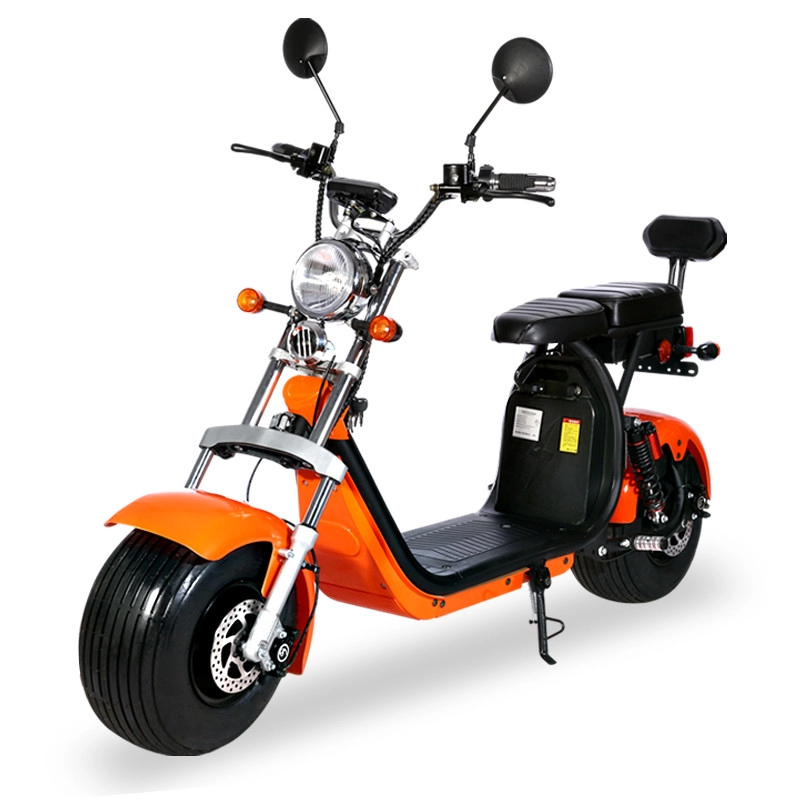
How to choose the right configuration
- Read the tyre first — Most listings open with watts; this one should open with the contact patch. The stated tyre is 18 x 9.5 inch vacuum, and that number governs grip, ride height, steering effort and how the scooter reacts when the surface changes under the wheel. Ask the supplier to confirm the size fitted front and rear, the load index and the valve type, because a wide vacuum tyre is easy to specify and harder to source as a spare three years later. Tyre availability in your own market is a procurement question, not an afterthought.
- Match tread to surface — An 18 inch diameter with a 9.5 inch section is a wide, relatively low-profile balloon, and it behaves nothing like a narrow moped tyre. On sealed roads and packed gravel it spreads load and softens potholes and expansion joints. On wet grass, loose sand or deep mud the same width can float and lose bite, because the tread pattern and compound matter more than the width itself. Request daylight photographs of the real tread and test one unit on unpaved ground before committing to the full order.
- Reconcile voltage and speed — The page title promises 72V and 60km while the specification table states 60V, a 1500W brushless hub motor and 30-50km/h. Those are not the same machine. Treat the table as the engineering baseline, because 60V repeats there alongside the motor and charging data, and ask the supplier to confirm in writing which configuration ships at the quoted price. The 60km in the title is most plausibly a distance figure rather than a speed, but it is unverified and should not appear in your own material until confirmed.
- Size the charging window — Two figures set the working day: a charging window listed as both 6h and 6-8H, and a top speed band of 30-50km/h. That band is a range, not a guarantee, and real speed falls as battery state and rider weight work against it. If your riders need continuous shift coverage, size the fleet so one unit rests and charges while another works, rather than assuming a quick top-up between trips. Ask which charger is supplied and what the measured cut-off time is on a full pack.
- Confirm the approval class — EEC appears in the certification field, but a mark alone does not tell you which vehicle class the unit is approved under, what approved speed applies, or whether the paperwork matches the configuration you are buying. Certification depends on the actual product model and target market. Ask for a copy of the document that will accompany the container and check that the model code, voltage and speed printed on it match the specification table in your quotation, not the marketing title. Registration rules differ by country even inside the EU.
Setup & daily use
- Ask for the load index and speed rating of the 18 x 9.5 tyre, not just the size, because a wide vacuum tyre needs a rating that matches the speeds you intend to run.
- Request daylight photographs of the actual tread, since catalogue renders hide groove depth and shoulder shape, and those two details decide how the scooter behaves in rain.
- Expect slower turn-in than a narrow moped tyre, because a 9.5 inch section adds rotating mass; brief riders on the difference before they take a unit into traffic.
- Confirm local availability of the 18 x 9.5 vacuum size before committing to a fleet, and hold at least one spare tyre and tube for every five units.
- Run your demonstration on the worst surface on your route rather than clean tarmac, because grip and comfort claims only mean something on the ground you actually use.
Mistakes to avoid
- Buying from the title instead of the table. The 72V and 60km headline does not match the 60V, 30-50km/h specification rows, and a purchase order built on the headline leaves you with no agreed basis for a later claim.
- Reading the word Mini as a compact footprint. An 18 x 9.5 inch tyre gives the scooter a wide, stable stance, so measure the real overall dimensions before assuming it fits narrow doorways, lifts or dense pavement traffic.
- Specifying a wide tyre for off-road work without checking the tread. Width helps flotation on soft ground, but it is the pattern and compound that decide whether the scooter grips or slides.
- Ignoring the charging window when planning shifts. A 6-8 hour charge makes a unit unavailable for most of a working day, and fleets sized on ride time alone run short by mid-afternoon.
Buying checklist
- Confirm the tyre size fitted front and rear, together with load index, valve type and the tread pattern actually supplied.
- Get a written statement of the shipped voltage, motor output and maximum speed, because the title and the table disagree.
- Request the document that will travel with the goods, because certification depends on the actual product model and target market.
- Test one unit on the loosest surface on your regular route before confirming the five-piece minimum order and the price band.
- Ask which charger is included and the measured cut-off time, given that charging appears as both 6h and 6-8H.
- Price a spare 18 x 9.5 tyre and tube locally, and record the supplier's spare-part lead time in writing beside the quotation.
Frequently asked questions
Why does the title list 72V and 60km when the specification table says 60V?
The title is a keyword string assembled for search, and it mixes figures that may belong to different configurations. The specification table repeats 60V twice, pairs it with a 1500W brushless hub motor and states a maximum speed of 30-50km/h, which is internally consistent. The 60km in the title most likely refers to a distance figure rather than a speed, but nothing in the table confirms it. Ask the supplier to state in writing the voltage, speed and range of the exact unit shipping at the quoted price, then build your purchase order on that statement rather than either headline.
Will the 18 x 9.5 inch tyre cope with gravel and unpaved tracks?
It will cope with packed gravel better than a narrow tyre, because the wider section spreads load and absorbs the small stones that unsettle a thin wheel. It will not turn loose sand or deep mud into firm ground, and wet grass is where wide, lightly treaded tyres lose grip first. Ask for photographs of the actual tread and, if your routes include unpaved sections, run one unit over them before scaling to five pieces. Tyre choice is the cheapest thing to change at specification stage and the most expensive thing to live with afterwards.
What does the EEC reference in the listing actually cover?
Certification depends on the actual product model and target market. An EEC reference in a specification field tells you the supplier intends to ship a European-approved configuration, not which class, which approved speed, or which documents will arrive with the container. Request the certificate and test documentation that will accompany the shipment, then check that the model code, voltage and speed on those papers match the specification table in your quotation. National registration rules differ across the EU, so confirm the class against your own market before promising a road-legal vehicle.
How far will one charge take a rider, given the listing gives no range figure?
The table gives a 60V system, a 1500W motor and a charge window of 6-8 hours, but no battery capacity in Ah, so any distance estimate would be invented. The 60km in the page title may be a range claim, a speed reference or leftover text from another listing, and it should not be repeated publicly until the supplier confirms it in writing alongside capacity. Practical range falls with rider weight, ambient temperature, gradient and speed, and a wide low-profile tyre adds rolling resistance. Plan routes and charge windows around a conservative figure the supplier will stand behind.
Is this scooter suited to hills and heavier riders?
A 1500W hub motor in a two-wheel scooter will move a heavier rider, but hill performance is decided by controller current limits, the gearing inside the hub and battery voltage under load, none of which the table quantifies. The 30-50km/h band is stated for a general condition rather than your gradient. Ask what gradient the unit is rated for at a stated rider weight, then test one unit on your steepest regular route with a representative rider aboard. Do not promise climbing ability to a client from motor watts alone, because watts describe the ceiling, not sustained effort.
How should a five-unit fleet manage tyre wear and spares?
A wide vacuum tyre wears on the shoulders first if riders corner hard on abrasive surfaces, and the 18 x 9.5 size is less universally stocked than common moped sizes. Before ordering, price a replacement tyre and tube in your own market, record the supplier's spare-part lead time in writing, and ask whether the same size is fitted front and rear. Hold at least one spare tyre and tube per five units at the start, and inspect monthly for pressure loss, bead seating and sidewall cracking, because slow pressure loss on a vacuum tyre is the usual cause of a roadside stop.